 Image 1 of 3
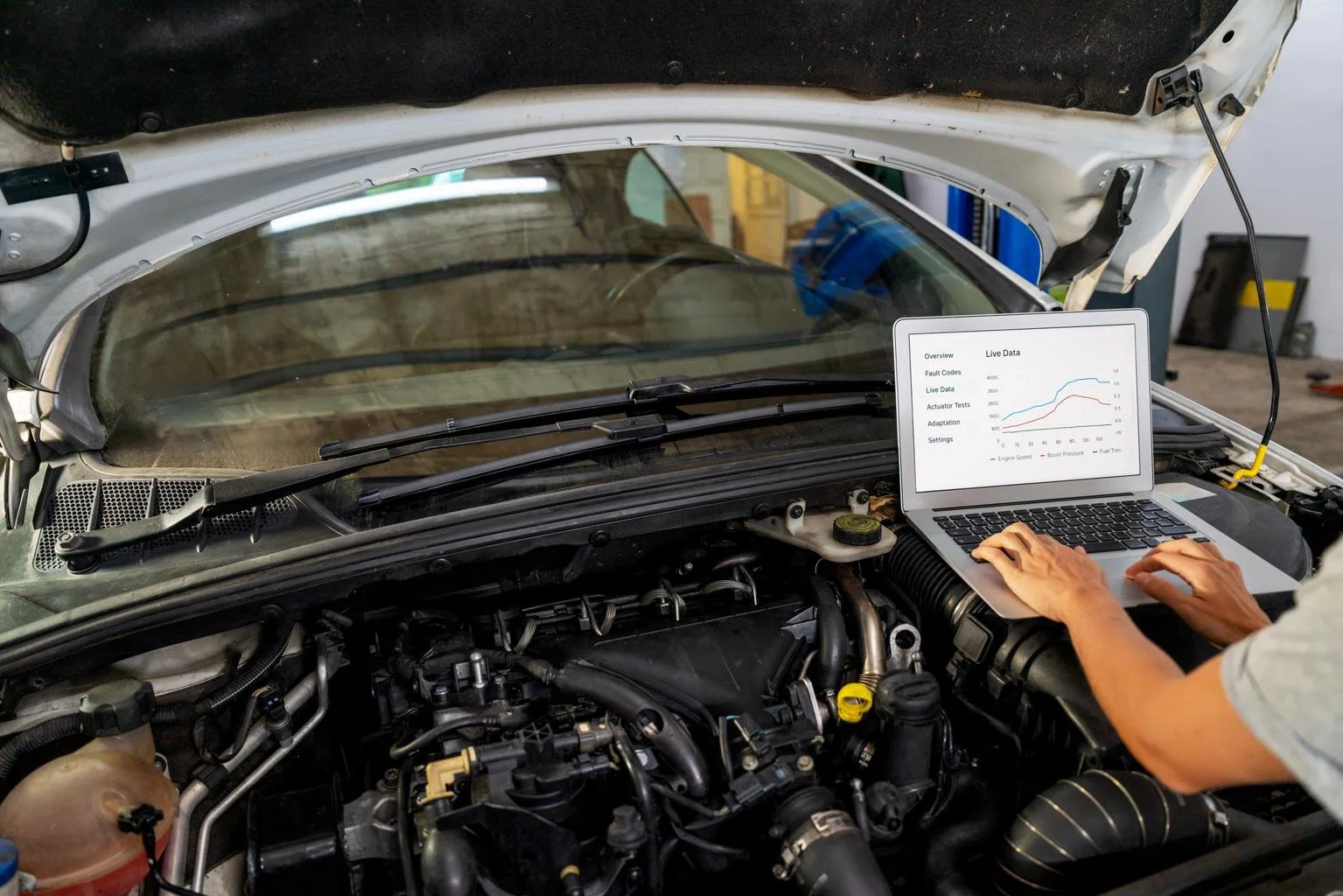 Image 2 of 3
 Image 3 of 3
A comprehensive automotive diagnostic service is a systematic, multi-point evaluation of a vehicle’s mechanical, electrical, and electronic systems using advanced tools and technician expertise. It goes far beyond a basic code scan—aiming to identify root causes, not just symptoms.
🔧 Core Components of Diagnostic Services
1. Computerized Engine Diagnostics (OBD-II)
Scan for Diagnostic Trouble Codes (DTCs)
Analyze live data (fuel trims, RPM, sensor readings)
Identify issues with:
Engine performance
Emissions systems
Fuel delivery
2. Check Engine Light Diagnosis
Full evaluation of warning indicators
Differentiates between:
Minor issues (loose gas cap)
Critical faults (misfires, catalytic converter failure)
3. Electrical System Diagnostics
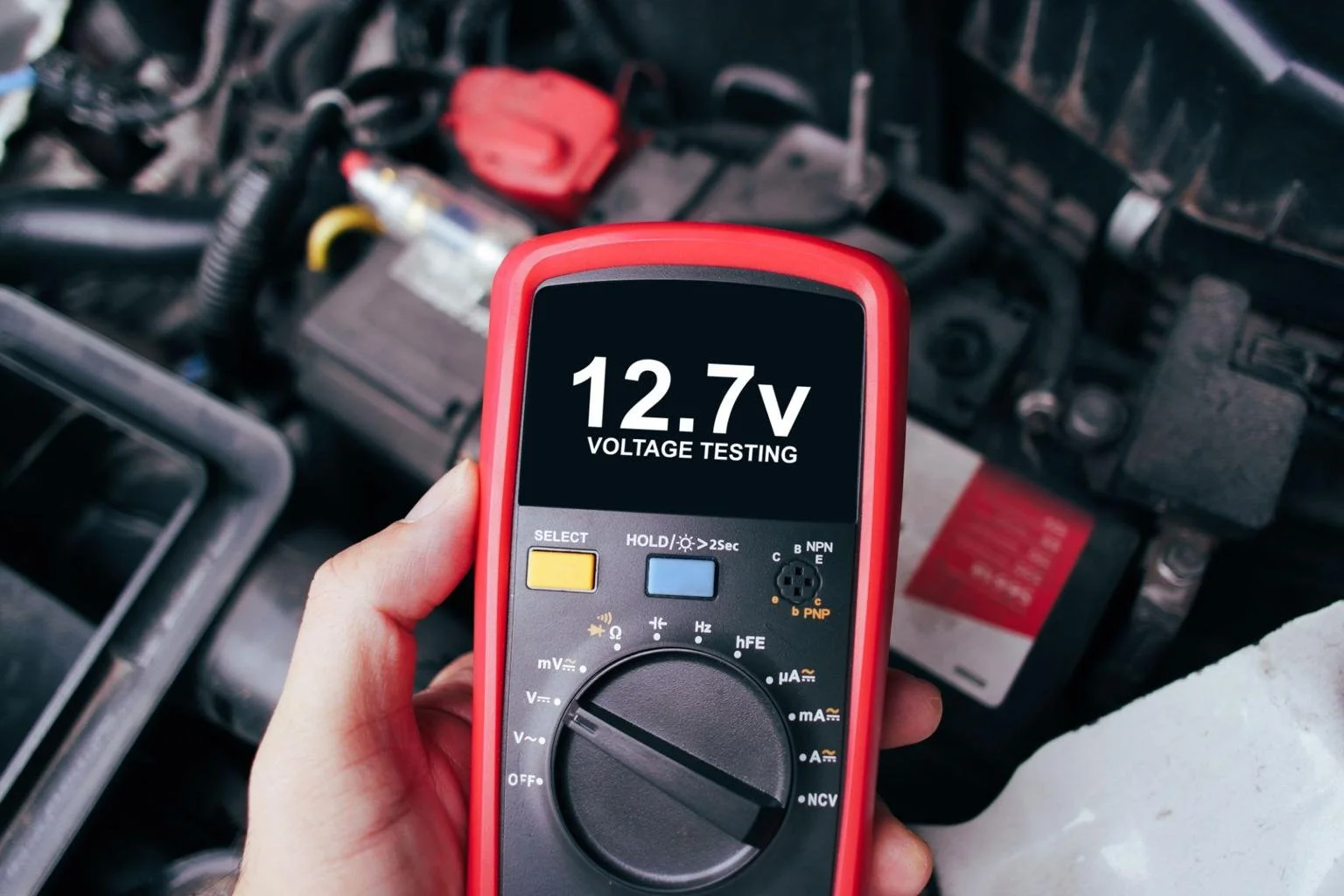
Battery, alternator, and starter testing
Circuit integrity checks using:
Multimeters
Oscilloscopes
Diagnosis of:
Wiring faults
Short circuits
Module failures
4. Transmission Diagnostics
Scan transmission control module (TCM)
Evaluate:
Shift patterns
Fluid condition
Torque converter performance
5. Brake System Diagnostics (ABS)
ABS module scanning
Sensor and hydraulic system evaluation
Identifies:
Wheel speed sensor failures
Brake pressure inconsistencies
6. Suspension & Steering Analysis
Inspection of:
Shocks/struts
Ball joints
Tie rods
Detection of:
Uneven tire wear
Alignment issues
7. Engine Performance Testing
Compression and leak-down tests
Fuel pressure testing
Air intake and vacuum system analysis
8. HVAC System Diagnostics
Climate control system evaluation
Checks for:
Refrigerant leaks
Blower motor issues
Heater core performance
9. Exhaust & Emissions Testing
Emissions system scan
Oxygen sensor and catalytic converter evaluation
Ensures compliance with state regulations (especially important in California)
🧠 Advanced Diagnostic Tools Used
OBD-II scanners (basic & professional-grade)
Manufacturer-specific scan tools
Digital multimeters
Oscilloscopes
Smoke machines (for vacuum leak detection)
Thermal imaging (for overheating/electrical faults)
📊 What You Receive After Diagnostics
Detailed diagnostic report
Identified fault codes + explanations
Recommended repairs with priority levels
Estimated repair costs
Preventive maintenance suggestions
💡 Why Comprehensive Diagnostics Matter
Prevents misdiagnosis and unnecessary repairs
Saves time and money long-term
Improves vehicle safety and reliability
Essential for modern vehicles with complex electronics
A comprehensive automotive diagnostic service is a systematic, multi-point evaluation of a vehicle’s mechanical, electrical, and electronic systems using advanced tools and technician expertise. It goes far beyond a basic code scan—aiming to identify root causes, not just symptoms.
🔧 Core Components of Diagnostic Services
1. Computerized Engine Diagnostics (OBD-II)
Scan for Diagnostic Trouble Codes (DTCs)
Analyze live data (fuel trims, RPM, sensor readings)
Identify issues with:
Engine performance
Emissions systems
Fuel delivery
2. Check Engine Light Diagnosis
Full evaluation of warning indicators
Differentiates between:
Minor issues (loose gas cap)
Critical faults (misfires, catalytic converter failure)
3. Electrical System Diagnostics
Battery, alternator, and starter testing
Circuit integrity checks using:
Multimeters
Oscilloscopes
Diagnosis of:
Wiring faults
Short circuits
Module failures
4. Transmission Diagnostics
Scan transmission control module (TCM)
Evaluate:
Shift patterns
Fluid condition
Torque converter performance
5. Brake System Diagnostics (ABS)
ABS module scanning
Sensor and hydraulic system evaluation
Identifies:
Wheel speed sensor failures
Brake pressure inconsistencies
6. Suspension & Steering Analysis
Inspection of:
Shocks/struts
Ball joints
Tie rods
Detection of:
Uneven tire wear
Alignment issues
7. Engine Performance Testing
Compression and leak-down tests
Fuel pressure testing
Air intake and vacuum system analysis
8. HVAC System Diagnostics
Climate control system evaluation
Checks for:
Refrigerant leaks
Blower motor issues
Heater core performance
9. Exhaust & Emissions Testing
Emissions system scan
Oxygen sensor and catalytic converter evaluation
Ensures compliance with state regulations (especially important in California)
🧠 Advanced Diagnostic Tools Used
OBD-II scanners (basic & professional-grade)
Manufacturer-specific scan tools
Digital multimeters
Oscilloscopes
Smoke machines (for vacuum leak detection)
Thermal imaging (for overheating/electrical faults)
📊 What You Receive After Diagnostics
Detailed diagnostic report
Identified fault codes + explanations
Recommended repairs with priority levels
Estimated repair costs
Preventive maintenance suggestions
💡 Why Comprehensive Diagnostics Matter
Prevents misdiagnosis and unnecessary repairs
Saves time and money long-term
Improves vehicle safety and reliability
Essential for modern vehicles with complex electronics